
Claude has several names: Fable, Opus, Sonnet, Haiku. Behind them is another term you hear a lot: Constitutional AI. This piece explains Anthropic’s technical path in plain words: how the models divide the work, how safety is done, and where the resources go.
To get to know the company first, start with What kind of company is Anthropic.
The model family: four tiers, each with its own job
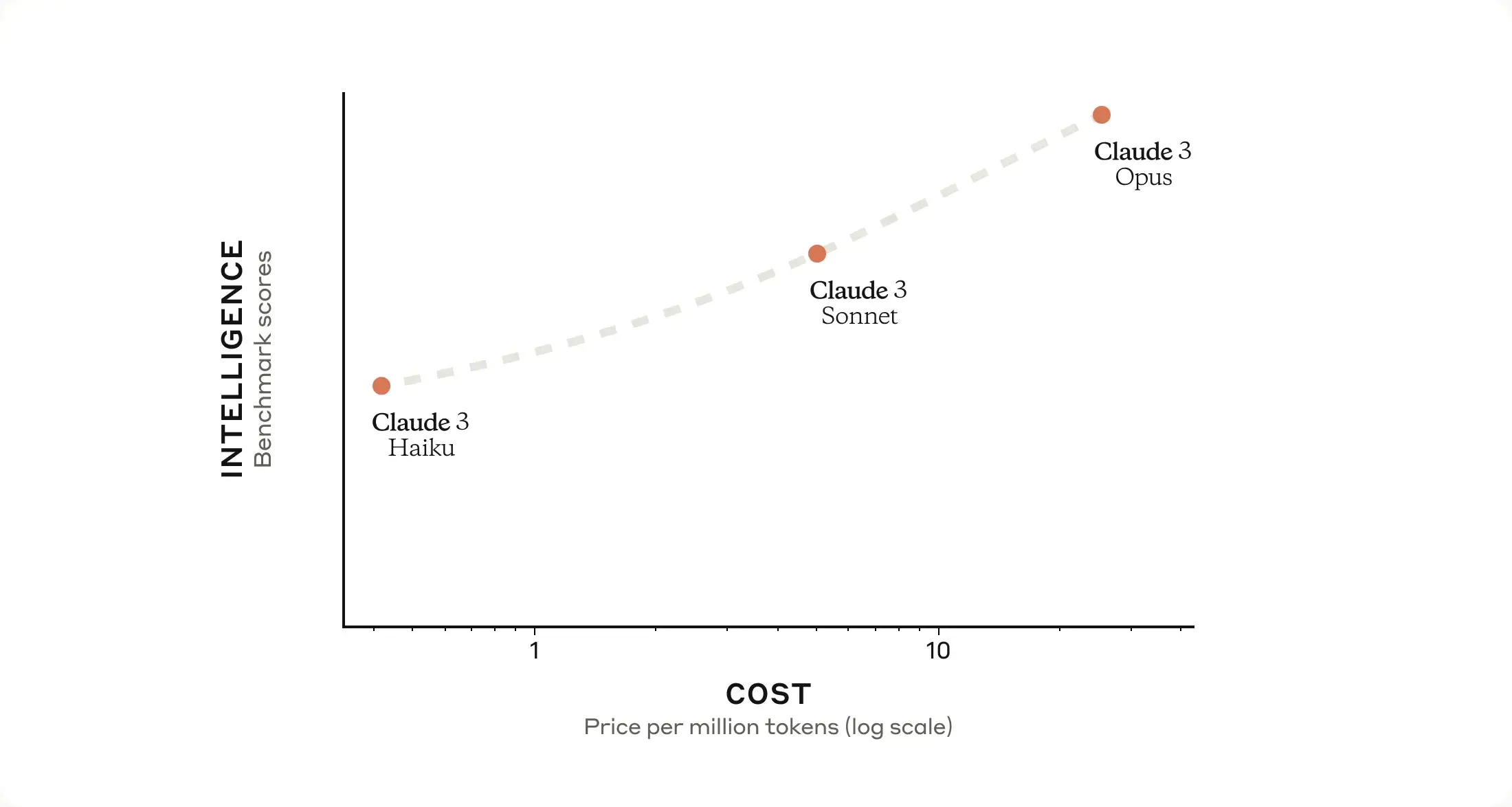
Claude is a tiered family, not a single model. Not every task needs the strongest model, so tiers let users pick the best-value mix of capability and cost. As of October 2026, the publicly available versions are:
| Tier | Current version | Role |
|---|---|---|
| Fable | Fable 5.1 (September 2026) | Top tier, for the hardest tasks |
| Opus | Opus 5.5 (September 2026) | Strong workhorse; Anthropic says it matches Fable 5.1 on most work |
| Sonnet | Sonnet 5.5 (September 2026) | Balanced performance and cost |
| Haiku | Haiku 5.5 (October 2026) | Anthropic calls it its cheapest, fastest, and most capable small model yet |
Version numbers keep changing, but the logic of “higher tier, stronger and pricier” stays fairly stable.
Constitutional AI: letting the model fix itself
Anthropic’s most recognizable technical signature is a training method called Constitutional AI.
The traditional approach relies on lots of human work, labeling answers one by one: “this one is good, that one isn’t.” Constitutional AI first gives the model a set of human-written principles, like a constitution for behavior. Then the model critiques and revises its own responses by those principles.
There are two benefits. First, it scales: it’s more efficient than relying only on human labeling. Second, it’s transparent: the principles are written down, so outsiders can discuss what the model is asked to follow. Whether the principles are well written, and whether the model actually follows them, still needs ongoing checks. This also ties into Anthropic’s public Responsible Scaling Policy.
Safety measures also shape how models are released. Mythos 5.1 is the same model as Fable 5.1 with different safety guardrails, and it is open only to vetted partners.
Interpretability: trying to understand what the model is thinking
Anthropic’s other research signature is interpretability: understanding what the model is “thinking” inside. In other words, when Claude gives a response, how does its neural network work, and why does it judge things that way?
This is harder than testing outside behavior. But Anthropic sees it as the necessary path to real safety: if you understand the model’s insides, you can foresee and fix errors before they happen, instead of patching things after something goes wrong.
A deliberately narrow focus
What a company doesn’t do matters as much as what it does. As of October 2026, Claude has no image generation, video generation, or hardware devices. Resources go to text, code, documents, and enterprise workflows. This is a strategic choice: going deep on chosen battlegrounds beats trying everything. For how it compares with OpenAI, which has a wider product line, see Anthropic vs OpenAI.
From chat to enterprise: how the models become products
The same Claude models reach users in different forms:
- Consumers: the Claude.ai website and app, with free and paid plans.
- Developers: the Claude API and Claude Code, which plug the models into their own apps and development workflows.
- Enterprises: team and enterprise plans, with security and management features.
- Cloud platforms: available on AWS, Google Cloud, and Microsoft Foundry, so companies already on those clouds can use Claude close at hand.
Anthropic also drives an open protocol called MCP (Model Context Protocol), which makes it easier for Claude to connect to outside tools and data.
Penchan’s summary
Anthropic’s technical path is consistent. Model tiers let different needs find the best-value option. Constitutional AI and interpretability turn “safety” into something with methods and research behind it. A deliberate focus on text and code puts resources on the battlegrounds it is most sure of.
Its biggest bet is the belief that safety and usefulness can go together, and that safety can even be a selling point. For enterprise customers, a model whose behavior is predictable and whose origins are clear is exactly what they look for when adopting AI.
Further reading: What kind of company is Anthropic, How Claude Code became a growth engine, Why Anthropic is a public benefit corporation.