An Unexpected Piece of News
When you think of AI training, you probably immediately picture NVIDIA GPUs, massive data centers, and compute investments that can easily run into hundreds of millions of dollars.
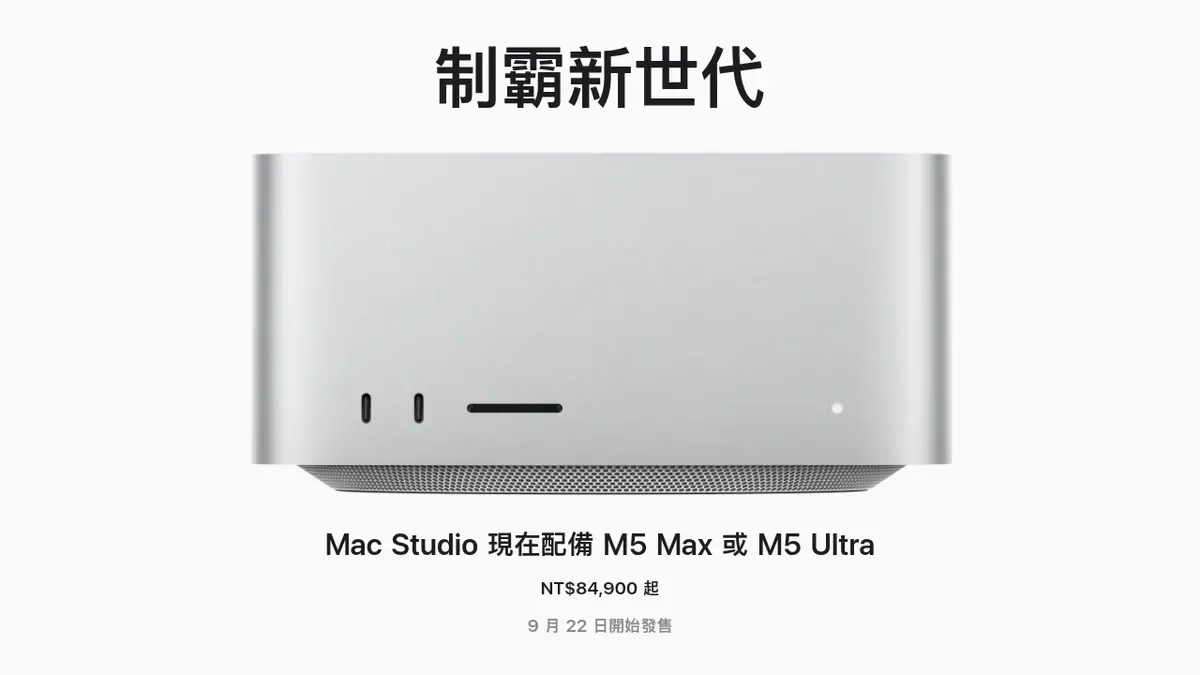
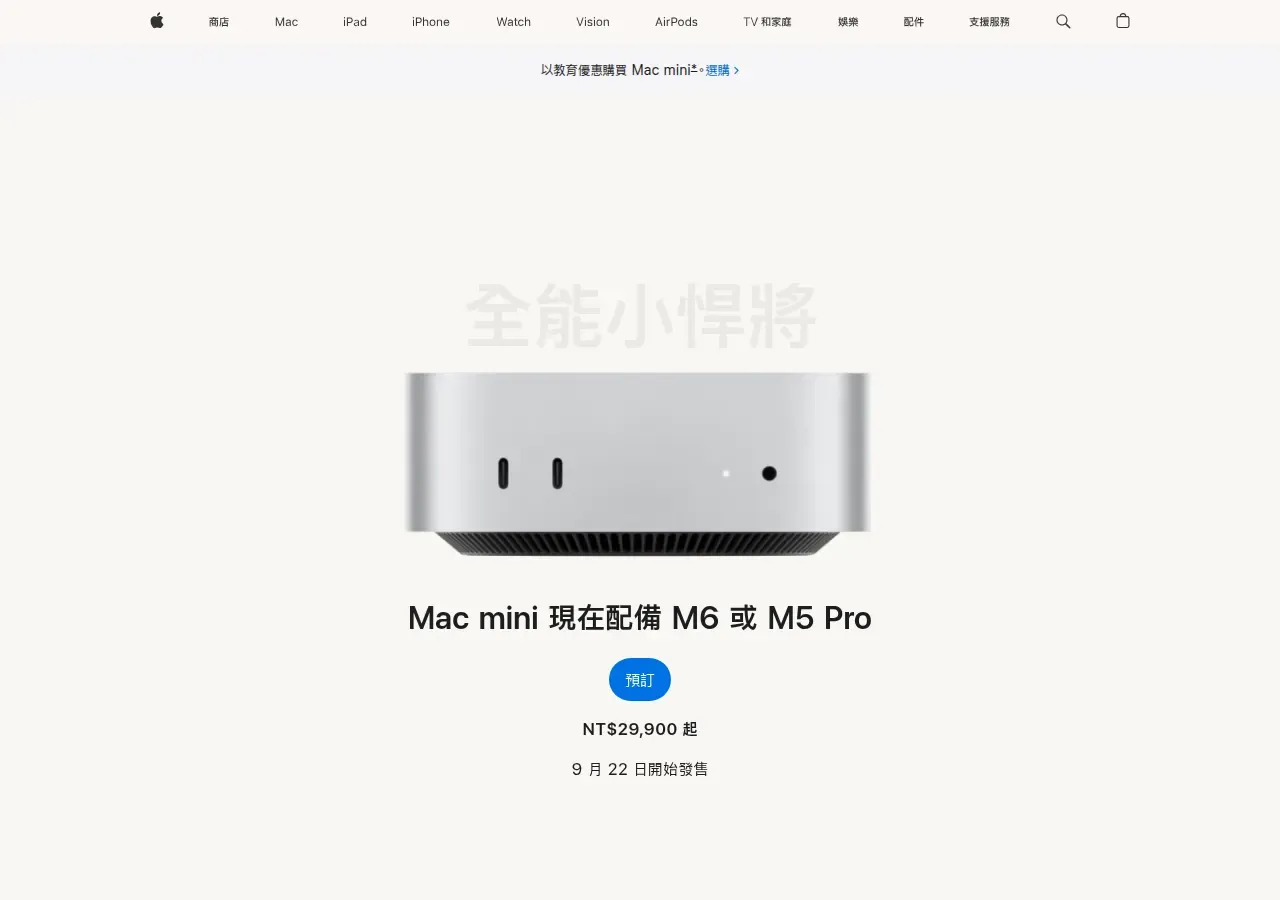
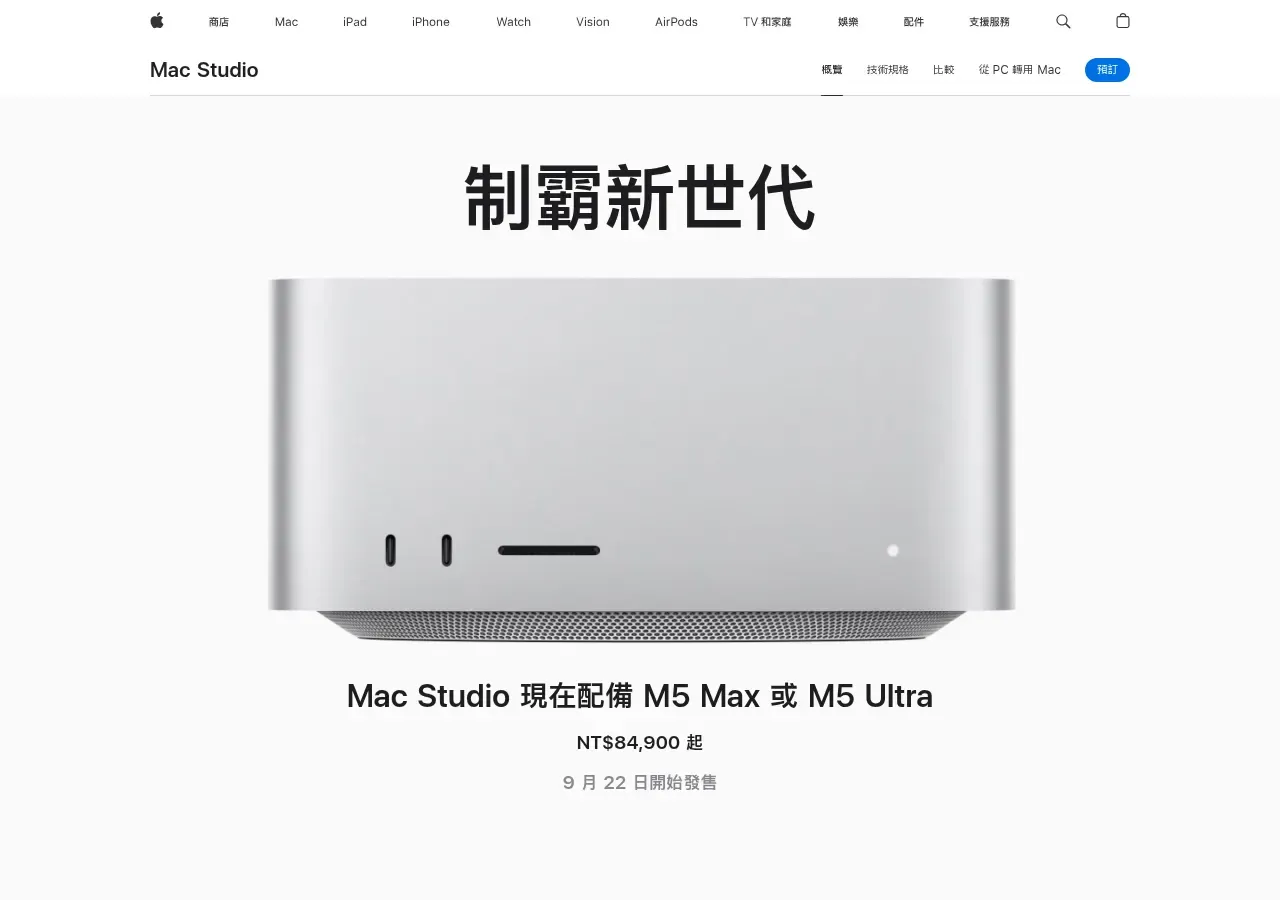
But an interesting piece of news has emerged recently: OpenAI and Anthropic, two of the world’s leading AI companies, are buying up and renting Apple Mac mini and Mac Studio computers in large numbers. Yes, the same small desktop computers you see in Apple Stores.
According to an exclusive report by The Information reporter Aaron Tilley, OpenAI has already purchased tens of thousands of Macs 😮 and is still looking for more inventory.

What Are They Using Macs For?
The answer is: training AI that can operate computers on its own.
You may have heard of AI assistants such as ChatGPT or Claude. You type a question, and they answer. But AI companies are now developing a more advanced kind of AI called a “computer-use agent.”
This AI does more than chat. It can operate a computer like a human: view the screen, move the mouse, click buttons, enter data in spreadsheets, and even use different software to complete tasks for you.
To train this kind of AI, you need to let it practice repeatedly in a real computer environment. One computer is not enough; tens of thousands let the AI learn simultaneously on many computers, speeding up training. That is why OpenAI needs so many Macs.
Why Macs Instead of GPUs?
This is the most counterintuitive part.
Traditional AI training—such as training a large language model like ChatGPT—relies on GPUs to perform massive amounts of mathematical computation, such as matrix multiplication. NVIDIA GPUs are genuinely excellent at this kind of work.
But training a computer-use agent requires something completely different:
- A complete desktop environment: The AI needs to see the screen and have a keyboard and mouse to operate
- Many things loaded at once: The AI model itself, live screen images, and control inputs all need to fit in memory simultaneously
- Many parallel, independent environments: Each computer serves as an independent training ground
Apple Silicon chips in Macs have a key advantage: Unified Memory Architecture. Put simply, the CPU and GPU share the same memory, so data does not need to be moved back and forth between different components.
This allows a Mac to keep the AI model’s parameters, screen data, and user input events all in the same memory at once, with high efficiency. For GPU clusters, the work of “simulating an entire computer” is instead not what they are best at.
Anthropic Takes a Different Approach
OpenAI chose to buy Macs directly and in large numbers, while Anthropic took a different route.
Anthropic rents Mac mini computing resources through Amazon Web Services (AWS)‘s EC2 Mac Instances service. AWS provides cloud-based Macs, originally intended mainly for Apple developers to test and build apps. Anthropic is now using them to train AI agents.
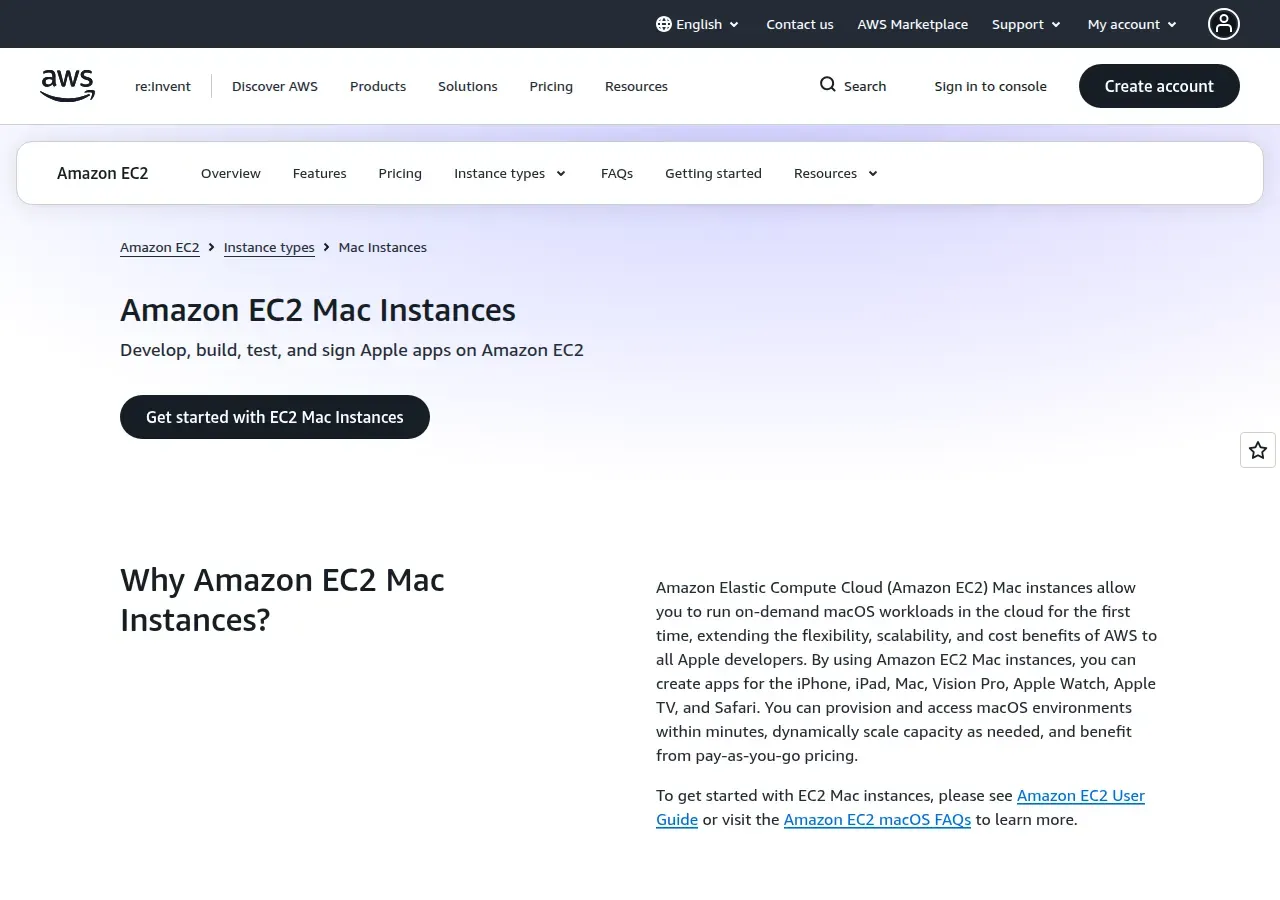
Renting offers more flexibility: there is no need to purchase tens of thousands of pieces of hardware outright or handle maintenance and cooling yourself. The downside is that long-term costs may be higher, and availability is limited by AWS inventory.
These two strategies reflect the companies’ different operating styles: OpenAI tends to build its own infrastructure to control the supply chain, while Anthropic prefers to stay flexible through cloud services.
Apple Accidentally Became an AI Winner
The most interesting part is that Apple barely did anything and still caught the AI wave 😂
Apple is neither an AI model developer nor an AI service provider. But because the Mac’s hardware architecture happens to be highly suitable for AI agent training, Apple has become an unexpected beneficiary of the AI industry.
The numbers tell the same story: Apple’s Mac revenue grew 28.7% year over year in its latest quarter, reaching $10.35 billion. Delivery wait times for high-end Mac models have stretched to several weeks.
What Does This Mean?
AI training is splitting into two tracks:
- Large language models (such as ChatGPT and Claude): continue to rely on NVIDIA GPU clusters for large-scale computation
- AI agents (AI that can operate computers, browse the web, and use software): need large numbers of independent desktop environments, making Macs a better fit
As AI agents become a focus for more companies, demand for consumer computers like these will only grow. Macs will not replace GPUs in AI training, but they are opening up an entirely new arena where GPUs cannot do the job.
This is also a reminder that AI’s development is not linear. It is not as simple as “more GPUs = stronger AI.” Different types of AI need different types of hardware, and sometimes the best solution is sitting right on your desk.