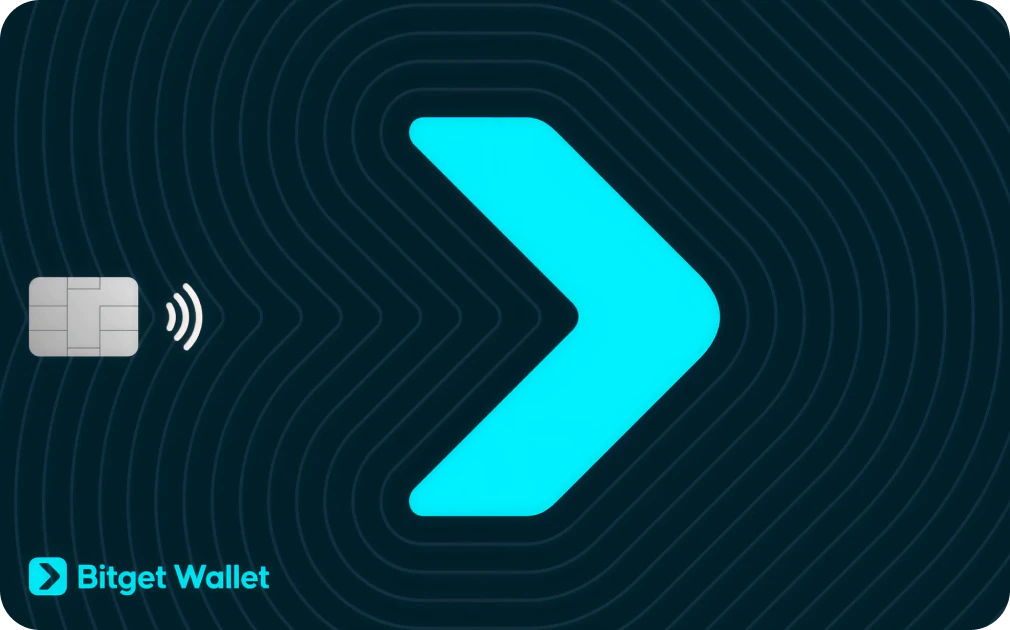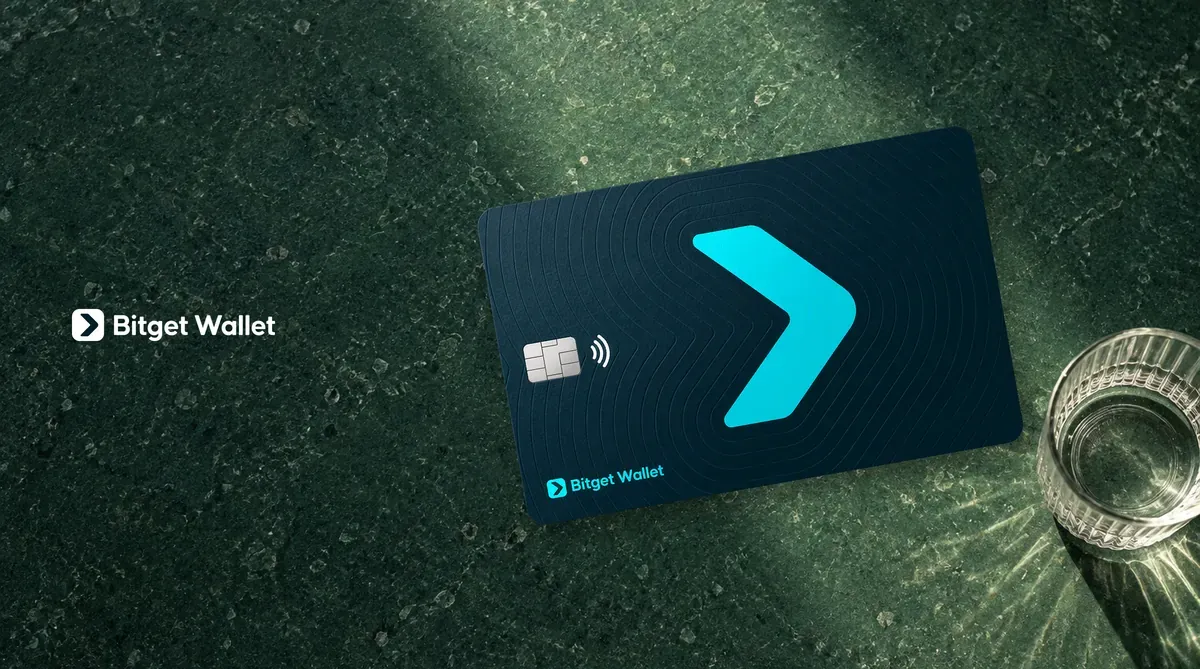
The Bitget Wallet Card is a Visa debit card from Bitget Wallet. Load it with crypto before spending, and there is no annual fee. The base reward is 2%, rising to 3% when you qualify. You can choose rewards in BTC, gold, US stock tokens or USDC. Compare it with other cards in the crypto card comparison. Fees and risks are covered in What to know before applying.
What is Bitget Wallet? Company background
Bitget Wallet was formerly called BitKeep and launched its first multi-chain wallet in May 2018. Bitget invested $30 million in March 2023 to become its controlling shareholder; on August 10 that year, the product was renamed Bitget Wallet. It is a separate product from the Bitget exchange, so make sure you have the right one when searching.
In July 2026, Bitget Wallet said it had more than 100 million users and had issued over 150,000 cards across more than 50 markets. The company describes it as a self-custody wallet, with cards, QR payments and bank transfers integrated into one app.
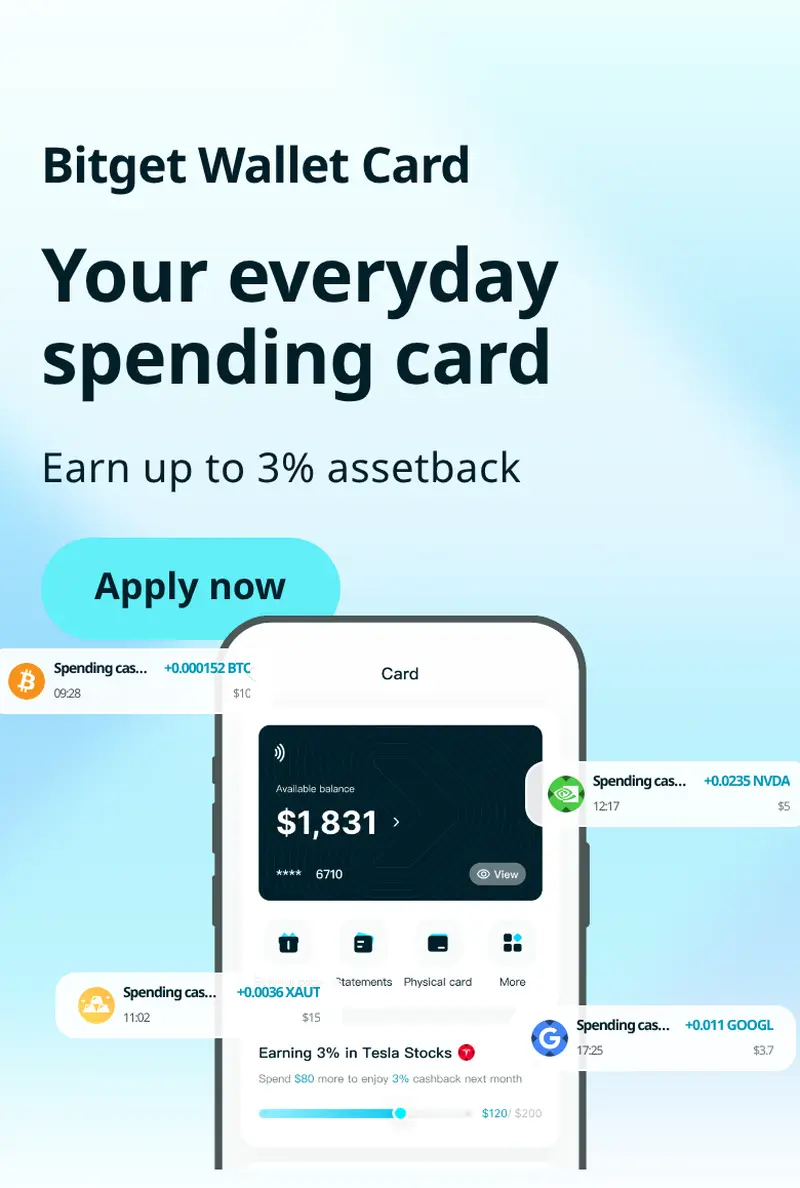
In Taiwan, the card is issued by DCS Card Centre over the Visa network. Bitget Wallet provides the brand and app.
The card is a debit card that must be topped up before use. Your wallet remains self-custodial before payment, but the card balance is held by the issuer and cannot be transferred back to the wallet. If the card is closed, you can only recover the balance by opening a support ticket.
Bitget Wallet rewards: 2% base and 3% Booster
There are two reward tiers, and both are free. Every cardholder starts at 2%. New cardholders automatically get 3%; other cardholders unlock it by spending $200 in eligible purchases during one calendar month. Once unlocked, the 3% rate applies to the whole month, including earlier purchases, and continues through the following calendar month. Refunds and excluded transactions do not count toward the threshold.
| Item | Base tier | Booster tier |
|---|---|---|
| Reward rate | 2% | 3% |
| How to qualify | Default for every cardholder | Automatic for new cardholders, or spend $200 in eligible purchases in one month |
| Monthly eligible-spend cap | Individual cap; published range is about $200 to $600 | Same as base tier |
| Reward options | Choose one: BTC, gold, US stock tokens or USDC | Same as base tier |
| Annual fee | 0 | 0 |
| Physical card | $49 | $49 |
Spending above your monthly cap earns no rewards. The cap applies to eligible spending, not to the reward amount.
You can choose BTC (paid as WBTC on BNB Chain), gold (XAUt on BNB Chain), US stock tokens NVDAx, TSLAx, GOOGLx and SPYx (issued by xStocks), or USDC. You can change your reward asset once per calendar month; the change only applies to future rewards. USDC goes directly to your card balance. Other assets go to your reward account and can be withdrawn once they reach a value of 1 USDC.
ATM withdrawals, cash advances, P2P, currency exchange, taxes and government charges, gift and prepaid cards, gambling and similar transactions do not earn rewards.
New cardholders can earn a bonus of up to $20 after completing several eligible transactions. It is credited automatically to the wallet account. This offer is for all new cardholders and does not require an invite code.
For a full comparison, see Bitget Wallet review and comparison.
Bitget Wallet fees
- Annual and monthly fees: 0.
- Physical card: $49, including international shipping; charged to the card balance and shipped by FedEx.
- Top-ups: no fee, but you pay on-chain gas and need the network’s native token.
- Foreign-currency fees: For example, a purchase in Taiwan dollars incurs a 1.7% issuer fee, settled at Visa’s live exchange rate, plus a 0.05% to 0.2% crypto-to-fiat conversion fee, for a total of 1.75% to 1.9%. There is no foreign-currency fee on a US-dollar purchase, but the conversion fee still applies.
- ATM withdrawals: 1% or $5, whichever is higher, plus a 1.7% foreign-currency fee and a 0.05% conversion fee. Some ATMs charge their own fee. The limit is $3,000 per withdrawal, $10,000 and up to 20 withdrawals per day, and $100,000 and up to 30 withdrawals per month.
- Limits: $50,000 in spending per day, $990,000 per year, and $200,000 per top-up. ATM withdrawals count toward the daily spending limit.
Top-ups support more than 40 tokens across eight chains: BNB Chain, Ethereum, Base, Arbitrum, Polygon, Solana, Morph and Tron. For the complete fee list, see Bitget Wallet fees in detail.
What to know before you apply
- The issuer holds your card balance. You cannot transfer unused funds back to your wallet; you can only request them through a support ticket if the card is closed.
- In July 2026, DCS updated its proof-of-address review. Some cardholders whose documents did not pass had their cards closed. Balances were returned through a support ticket, usually within 14 business days, less a network fee of 2 USDT (5 USDT on Tron). The same wallet cannot be used to apply again.
- If you lose your seed phrase, an activated card can still be used, but you can no longer top up, withdraw or recover the card account.
- Rewards have a monthly spending cap, and foreign-currency fees total 1.75% to 1.9% on the Taiwan-issued card.
How to apply for a Bitget Wallet Card (and enter the invite code)
-
Open Bitget Wallet through the referral link in this article; invite code
penchancis filled in automatically. Update the app, open the Card page and tap Apply now. You need a seed phrase or MPC wallet; private-key wallets are not supported.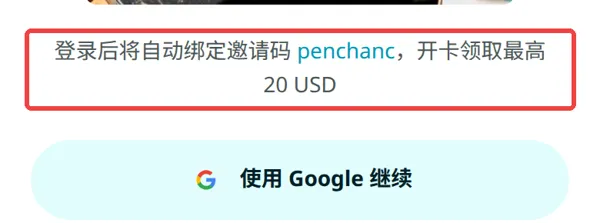
Image source: Bitget Wallet invitation page -
Register and complete KYC. For an APAC application such as Taiwan, you can use a national ID card, passport or driver’s license with at least three months of validity. Non-citizen residents also need an employment pass and proof of address.
-
Review usually takes 1 to 2 minutes. Manual review takes 1 to 3 days, and the result is emailed to you.
-
Top up. Your first top-up requires a Travel Rule form from payment partner FOMO Pay. Funds usually arrive in about 3 to 7 minutes.
-
To get a physical card, go to Card → Physical card → Apply now, then activate it with your PIN.
For another card’s application process, see the RedotPay card application guide.
Using the card in Taiwan
Taiwan is on the official supported list. Both virtual and physical cards are available there.
| Payment method | Can it be linked? |
|---|---|
| Apple Pay | No. APAC-issued cards are not currently supported; the issuer says it will notify users if this changes. |
| Google Pay | Yes |
| LINE Pay | Yes |
| Alipay, WeChat Pay | Yes |
| PayPal | Yes |
| JKOPay | No. JKOPay only accepts cards issued by its domestic partner banks. |
| Samsung Pay | No |
You can pay for a ChatGPT subscription with this card by paying OpenAI directly with the card. Some APAC users may be asked to upgrade their card. When a new card number appears, add the card again to each mobile payment service.