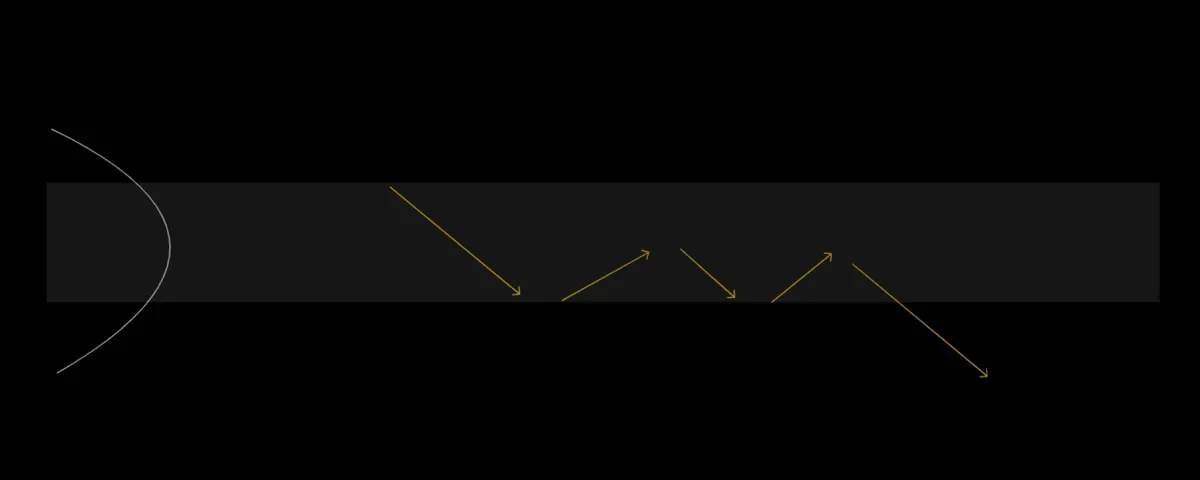
Auction Market Theory, AMT, is a way to analyze market behavior and reveal the basic mechanism behind asset price movement. It treats the market as a large auction venue where buyers and sellers keep bidding against each other to complete transactions. In this process, price keeps moving inside a fair value range as it searches for market Balance.
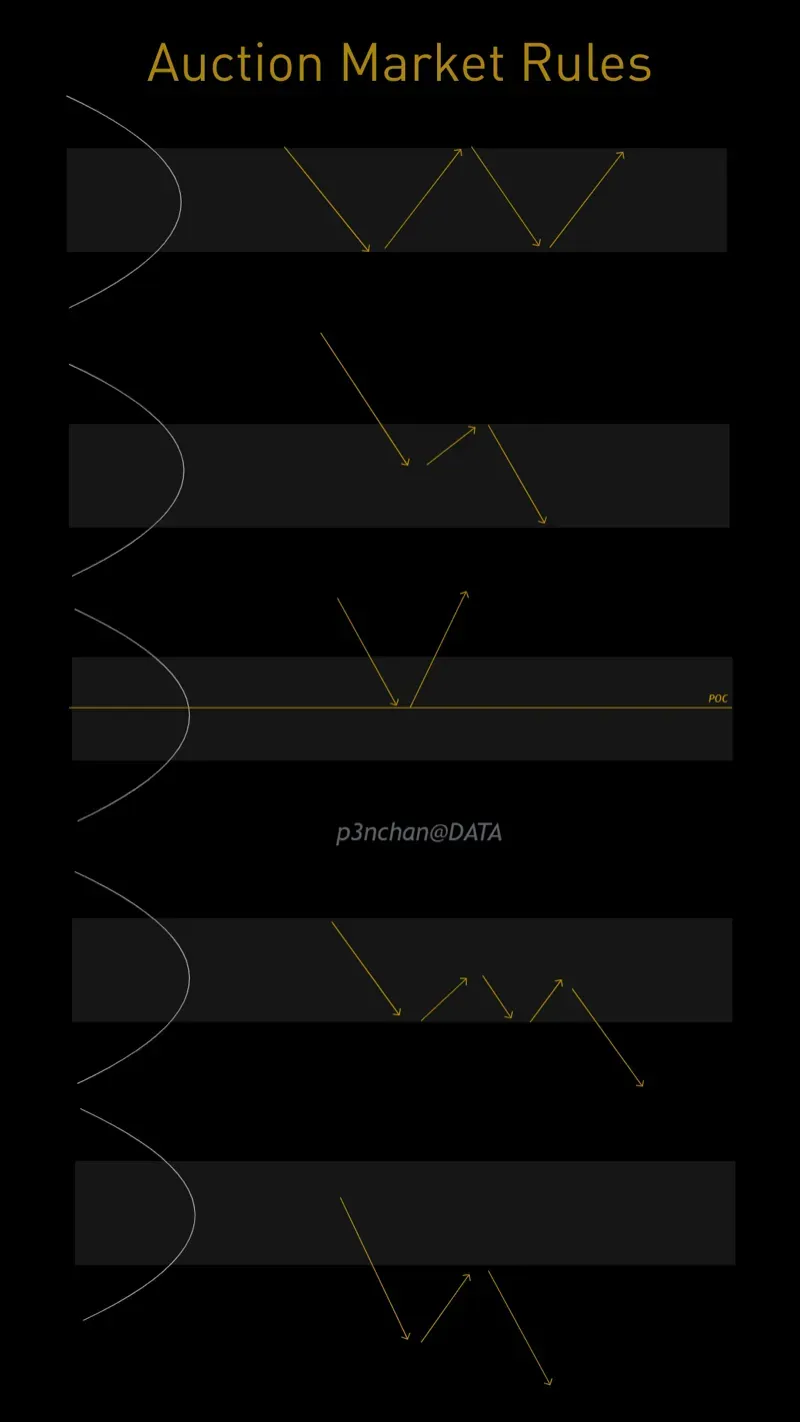
According to Auction Market Theory, we can observe five main price action patterns: range movement, response, strong momentum, initiative, and accumulation. These patterns help investors read market behavior more clearly and build corresponding trading strategies. By understanding these patterns more deeply, investors can apply Auction Market Theory in real markets and improve the quality of their trading decisions.
Below is a cheat sheet for everyone. You can long-press to save it:
Auction Market Theory gives investors a distinct perspective for exploring market price action and improving trading strategy. Through learning and practice, everyone can better grasp market dynamics and give their own investment decisions stronger support.
More investing and trading information will be published in the future. Follow Penchan’s Instagram, Twitter, and DA Traders Union.