
Mention OpenAI and most people think only of ChatGPT. But its product line is one of the broadest in the AI industry: chat, coding, AI agents, images, and a developer platform, plus open-weight models, custom chips, and hardware devices. For an introduction to the company, start with What is OpenAI?.
Its product strategy in one line: from software to chips, OpenAI wants to do it all.
ChatGPT: the consumer super-app
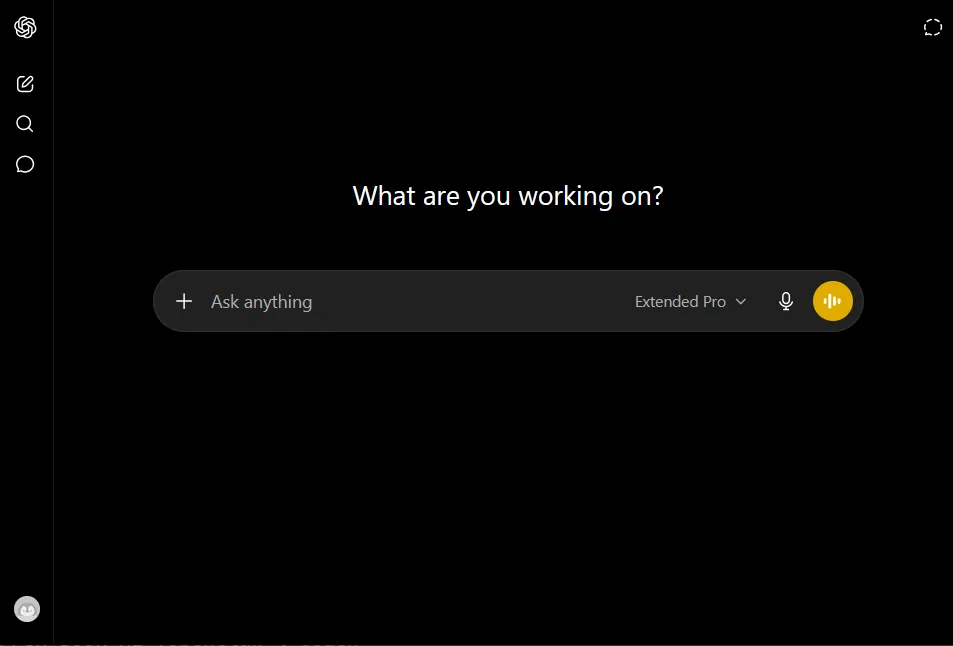
ChatGPT is OpenAI’s biggest asset. On October 7, 2026, OpenAI said it has more than 1.2 billion weekly active users.
Plans include Free, Go (US$8/month), Plus (US$20/month), Pro (three tiers: US$100, US$200, or US$500/month), and enterprise plans (US prices). For plan differences, read the ChatGPT free plan guide.
The GPT-6 model family: Astra is the flagship
Since September 2026, OpenAI has been rolling out the GPT-6 series. Here is what each of the four names does:
| Model | Role | Who can use it (ChatGPT) |
|---|---|---|
| GPT-6 Astra | Flagship, most powerful | Regular chats on Pro, Business, and Enterprise; Work and Codex on Plus |
| GPT-6.1 Sol | Close to Astra, at lower cost | Work and Codex on Plus and higher plans |
| GPT-6 Sol | Everyday default for paid plans | Regular chats on Plus, Pro, and enterprise plans |
| GPT-6 Luna | Everyday default for free plans | Rolling out gradually to Free and Go |
Astra focuses on three things: Computer Use (directly operating browsers, desktops, and professional software), coding, and cybersecurity. Since October 7, 2026, regular ChatGPT chats have been gradually switching to the GPT-6 series. Further reading: What is GPT-6 Astra? and What is GPT-6.1 Sol?.
Codex: hand coding tasks to an AI agent
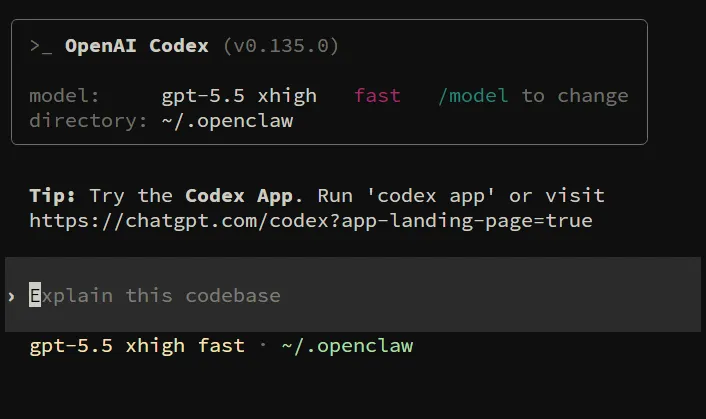
Codex is OpenAI’s AI coding agent and its main way into the enterprise engineering market.
It works in two ways: collaborating in real time on your machine or in an editor, or handling development tasks asynchronously in the cloud, where it writes features, fixes bugs, and submits changes on its own. For developers, it is more like an AI coworker.
dots: an always-on AI agent
dots is an AI agent launched in September 2026 and powered by GPT-6 Astra. It has its own cloud computer, connects to more than 4,000 apps, and can keep running in the background to get things done for you. At launch, it opened first to Pro and Business Premium users in eligible regions. For the full introduction, read What is ChatGPT dots?.
OpenAI API: utilities for developers
ChatGPT is the storefront for everyday users. The API is the plumbing for developers: they use it to build GPT-6 and other models into their own products.
ChatGPT Images: image generation
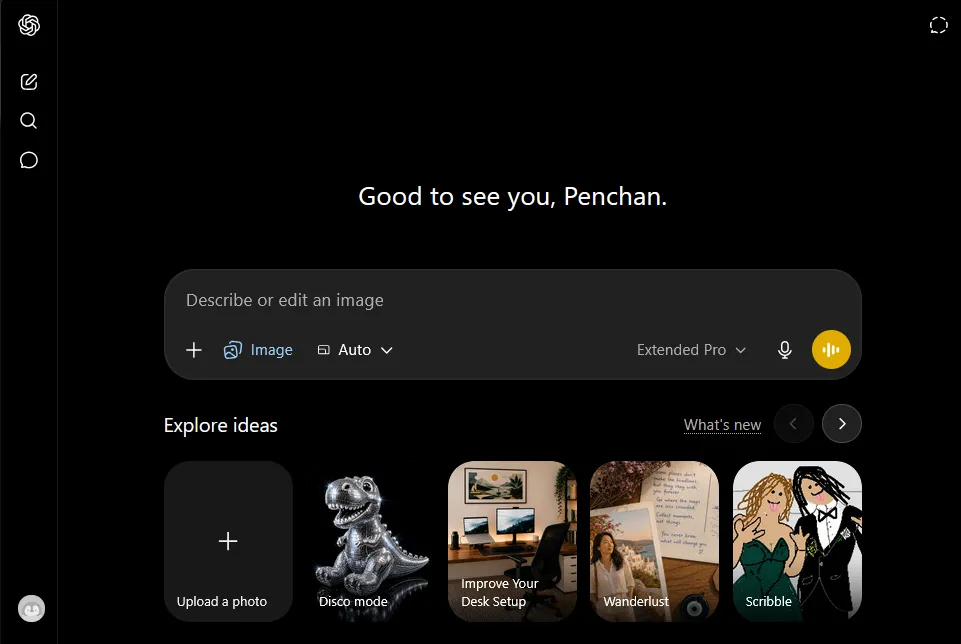
Image generation is handled by ChatGPT Images, which has replaced the older DALL-E. OpenAI says version 2.5 produces more natural lighting and textures, keeps the subject of a reference photo more faithfully, follows instructions better across multi-turn edits, and takes up to 50% less time to generate an image than version 2.0.
gpt-oss: open-weight models
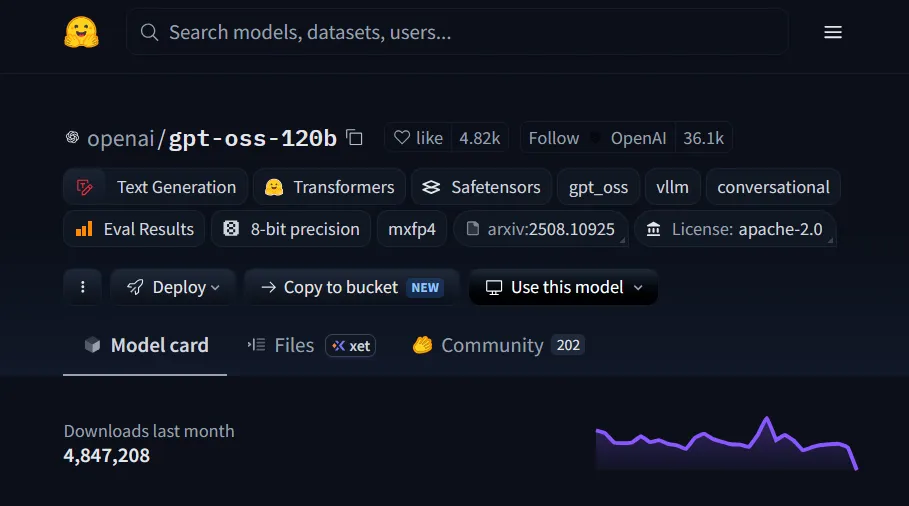
gpt-oss is OpenAI’s first open-weight language model release since GPT-2. It uses the Apache 2.0 license, so companies can use it commercially and host it themselves for free. Open-weight does not mean fully open source.
The custom Jalapeño chip: reducing dependence on Nvidia
OpenAI has long relied heavily on Nvidia GPUs, which are expensive and in tight supply, so it is building its own chips with Broadcom.
The first chip, Jalapeño, was announced in June 2026. It is built for inference (answering user prompts), not for training models. According to The Wall Street Journal in October 2026, the second-generation chip is called Serrano. The partnership aims to deploy 10GW of custom accelerators, starting in the second half of 2026 and finishing by the end of 2029 under the official plan. For how the whole supply chain works, read The AI hardware supply chain.
Hardware devices: 2027 at the earliest
OpenAI acquired io, the hardware startup co-founded by former Apple design chief Jony Ive, to build AI-native consumer devices. According to court documents, the first device will not ship before February 2027 and will not be called io. Its design and specifications have not been announced.
Penchan’s summary
OpenAI’s map is clear: it integrates everything from the top-level chat interface through AI agents, the developer platform, open-weight models, custom chips, and hardware. That gives it scale and breadth that competitors lack.
The cost is that spending and risk grow with it.