
This article is only a personal trading study note and does not constitute investment advice. Trading involves risk. Make independent judgments and take responsibility for your own decisions.
Auction Market Theory, AMT, part 1: exploring how order Liquidity and fair value ranges work in financial markets.
In this article, Penchan introduces Auction Market Theory, or AMT, also called competitive market theory in some translations. It helps explain how markets and order Liquidity operate. Auction Market Theory is a school of technical analysis, and it can serve as the foundation for MP, Market Profile, and VP, Volume Profile. It also helps with later study of TPO, Time-Price Opportunity, and VP.
The main idea of Auction Market Theory is that financial markets are no different from other auction venues. Buyers and sellers are trading in the market at every moment. In this model, the market’s main purpose is to:
Complete transactions in a two-way auction process: buying and selling.
Search for the fair value of an asset.

Figure 1. A two-way auction process.
Auction Market Theory presents this process through the dynamics of supply and demand and price action. In terms of tools, we can use MP or VP to describe Auction Market Theory. We use the area within one standard deviation of a bell-shaped distribution, about 68%, as the Value Area.
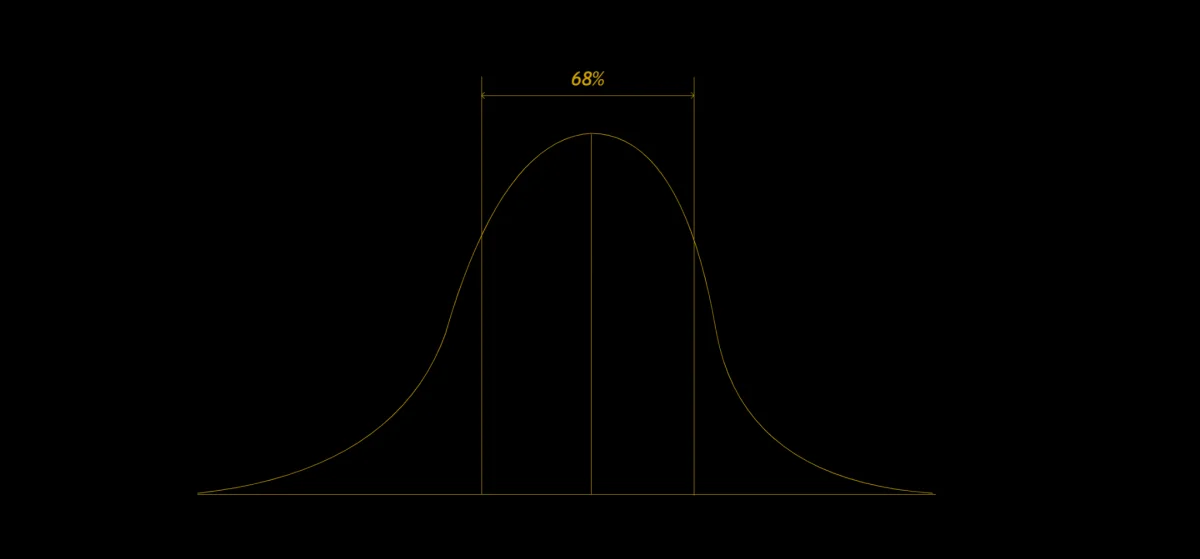
Figure 2. Bell-shaped distribution, also called normal distribution.
2. Key Concepts in Auction Market Theory
First, let’s understand three important elements in Auction Market Theory:
Price: advertises trade in the market, such as a reasonable buying price.
Time: regulates price opportunity, such as judging a buying point through time.
Volume: measures whether the auction succeeds or fails.
Next, we divide markets into two types:
Balance: In a balanced market, buyers and sellers agree on price and are willing to trade at the current price because they believe it is reasonable, or fair. A balanced market usually shows smaller fluctuations, limited price change, and a ranging state. Through MP or VP, we can quickly identify this reasonable price. The distribution often approaches a bell-shaped curve.
Imbalance: An imbalanced market is the opposite. Market participants disagree on fair price, and one side becomes more aggressive, creating a trend.

Figure 3. Balance and Imbalance are different market states.
In general, the market trends, or stays imbalanced, only about 20% of the time, and ranges or consolidates, meaning balance, about 80% of the time. In price action, once the market enters fair value, it is more likely to remain balanced and explore inside that fair-value range. If the market is imbalanced, it usually explores upward or downward until it stops. The stopping area is usually inside a previous fair-value range.
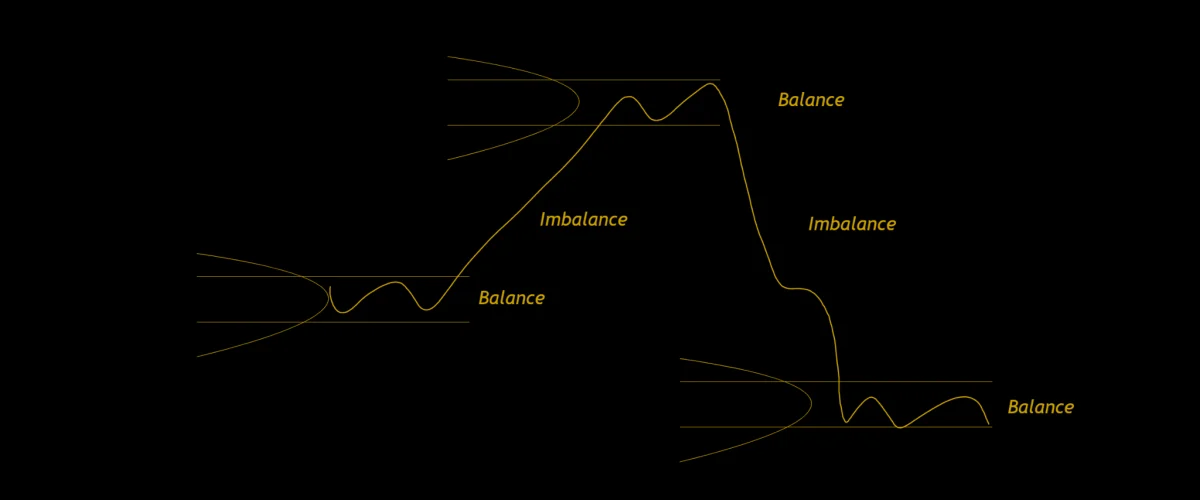
Figure 4. Example of Balance and Imbalance.
Short Summary
This article introduced the basic concepts of Auction Market Theory. As a foundation for financial markets and order Liquidity, Auction Market Theory includes elements such as price, time, and volume, and divides markets into Balance and Imbalance. Understanding these concepts prepares us for the next articles on market activity and applied principles. These later topics will become the foundation for learning TPO and VP, filling in an important part of our order-flow study.
Note: This article is mainly based on TradingRiot. Search online if you want to read the original.