
This article is only a personal trading study note and does not constitute investment advice. Trading involves risk. Make independent judgments and take responsibility for your own decisions.
ICT on Market Structure: reading trading Bias, Market Flow, and Market Structure Shift.
In DA Traders Union, our weekly research reports and educational livestreams often discuss how to read Market Structure. Market Structure looks simple, but in practice it is full of details. This article explains ICT’s important views on Market Structure and helps everyone understand and use it more effectively in trading.
When technical analysis tells us the current Market Structure is bullish, we should try to consider mostly long strategies and reduce short opportunities. This approach can improve our win rate.
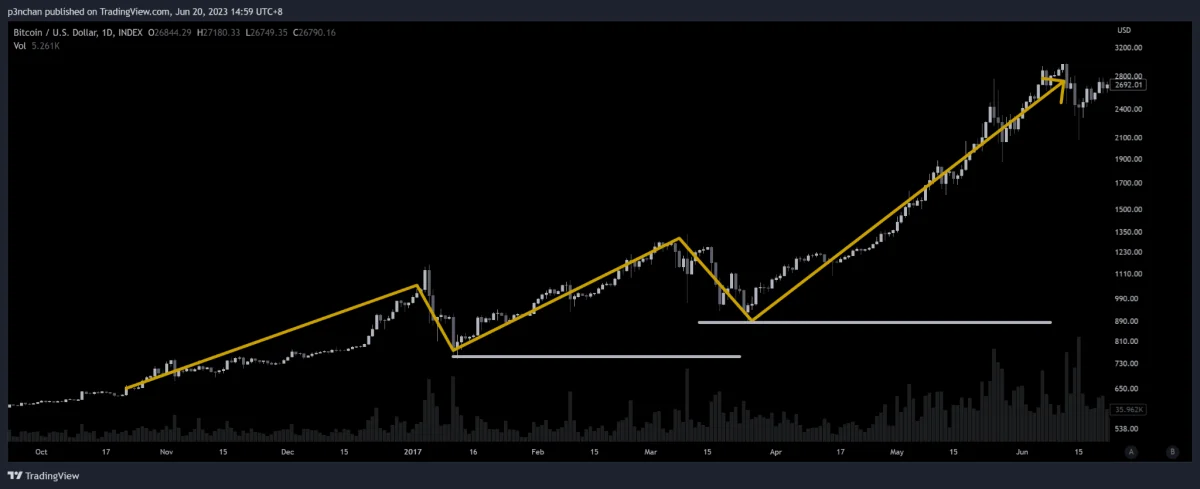
Figure 1. In a bullish move, watch whether the previous low is broken.
When Market Structure is bullish, price breaks previous highs but protects previous lows from being broken. Conversely, when Market Structure is bearish, price breaks previous lows but protects previous highs from being broken. So in a bullish market environment, we need to watch whether the previous low is broken. In a bearish market environment, we need to watch whether the previous high is broken. These two situations affect how we read Market Structure and set our trading Bias.
Market Structure and Market Flow
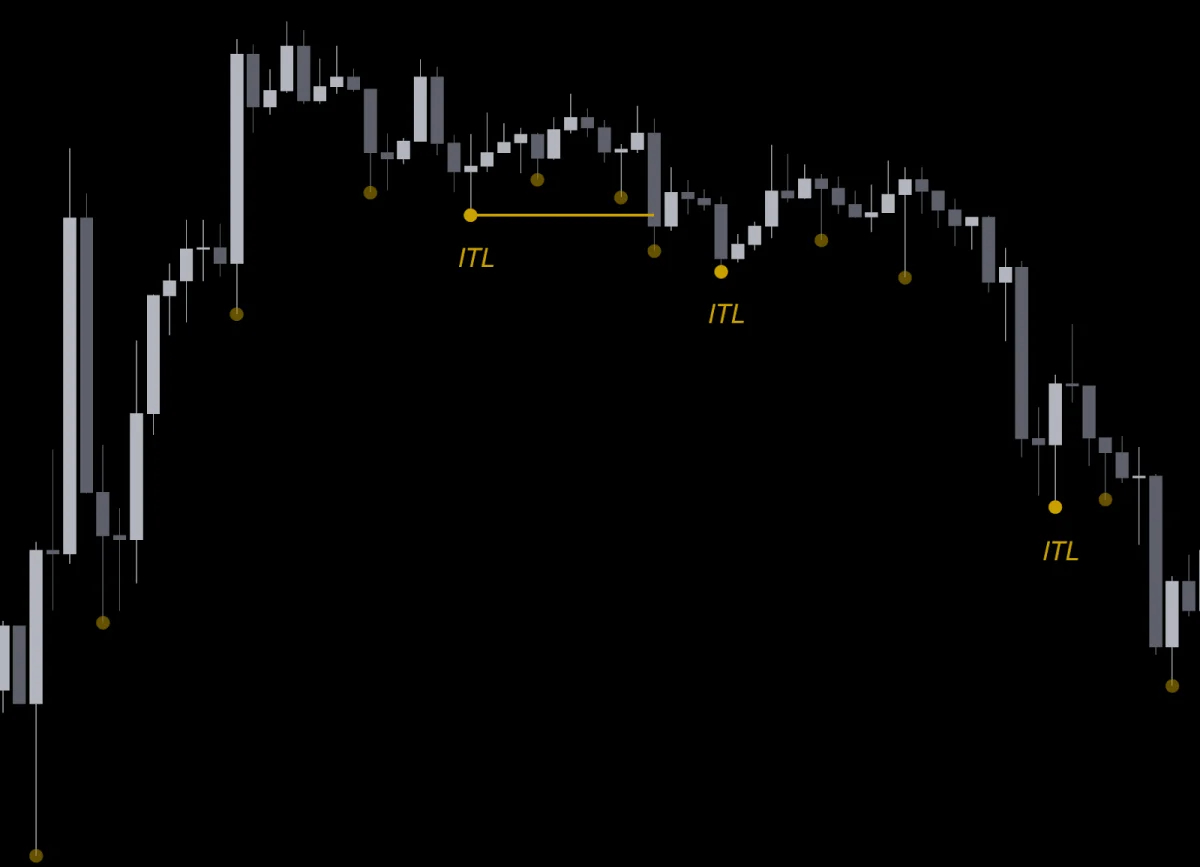
Figure 2. Market Structure Shift, using ITL as an example.
Quick background: when observing a chart, we use Intermediate-term High/Low to help read the market. Short-term High/Low can easily create misreads, so we should avoid relying on them as much as possible. For deeper Market Structure study and the difference between the two, see the article “ICT Market Structure Concepts: Short-, Intermediate-, and Long-Term Highs and Lows.”
Usually, when we talk about trend, we are talking about Market Structure. Market Flow refers to the current direction of the market. The former represents the direction of the larger trend. The latter reflects the current price direction and usually does not require too many candles to judge. Also, Market Structure changes slowly and needs a certain amount of trend change before a Market Structure Shift forms. Market Flow can change at any time.
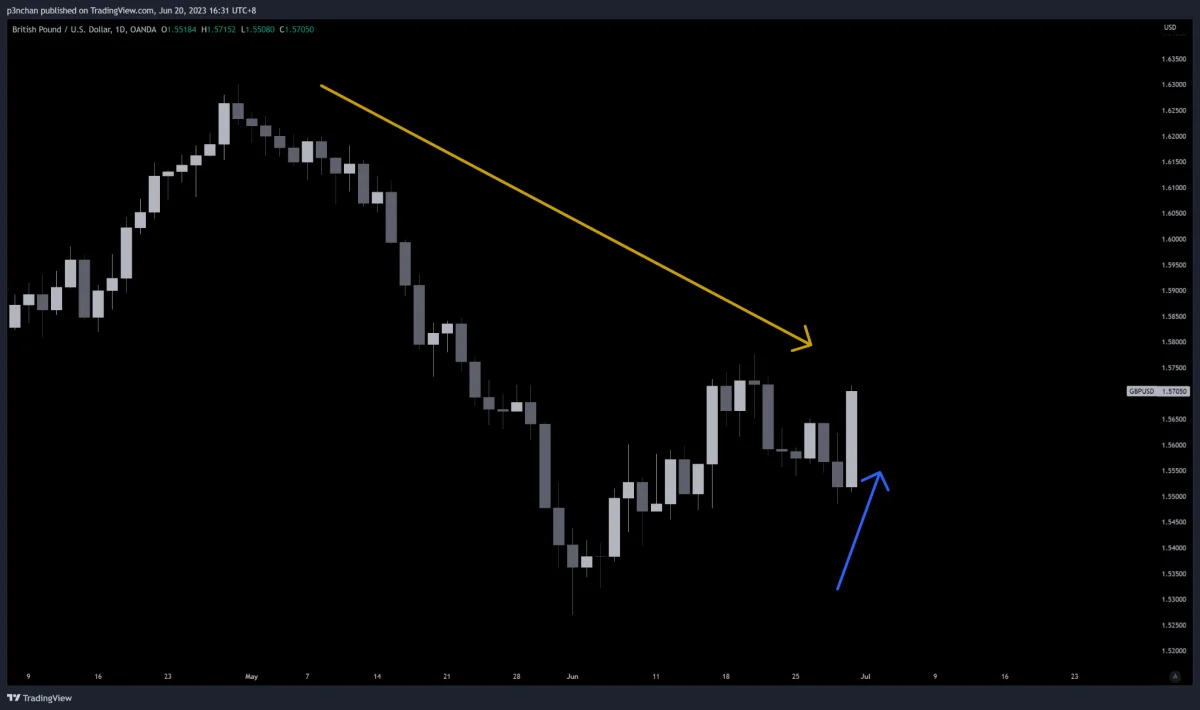
Figure 3. Market Structure is bearish, but Market Flow is bullish, creating a case where the two are opposite.
When considering Market Flow, only the most recent previous low and previous high are included. Older previous lows and highs are invalid and should not be used as references for Flow. In the GBPUSD daily chart in Figure 3, price broke the previous high from three days earlier on the 29th, so the current Flow is judged as moving bullishly, at the blue arrow.
Using swing trades as an example, if the daily, H4, and H1 Market Flow all align, it means the market has shown a strong consensus. At that point, we can pay closer attention to H4 for current Flow judgment and combine H1 for chart planning.
Market Structure and Market Structure Shift
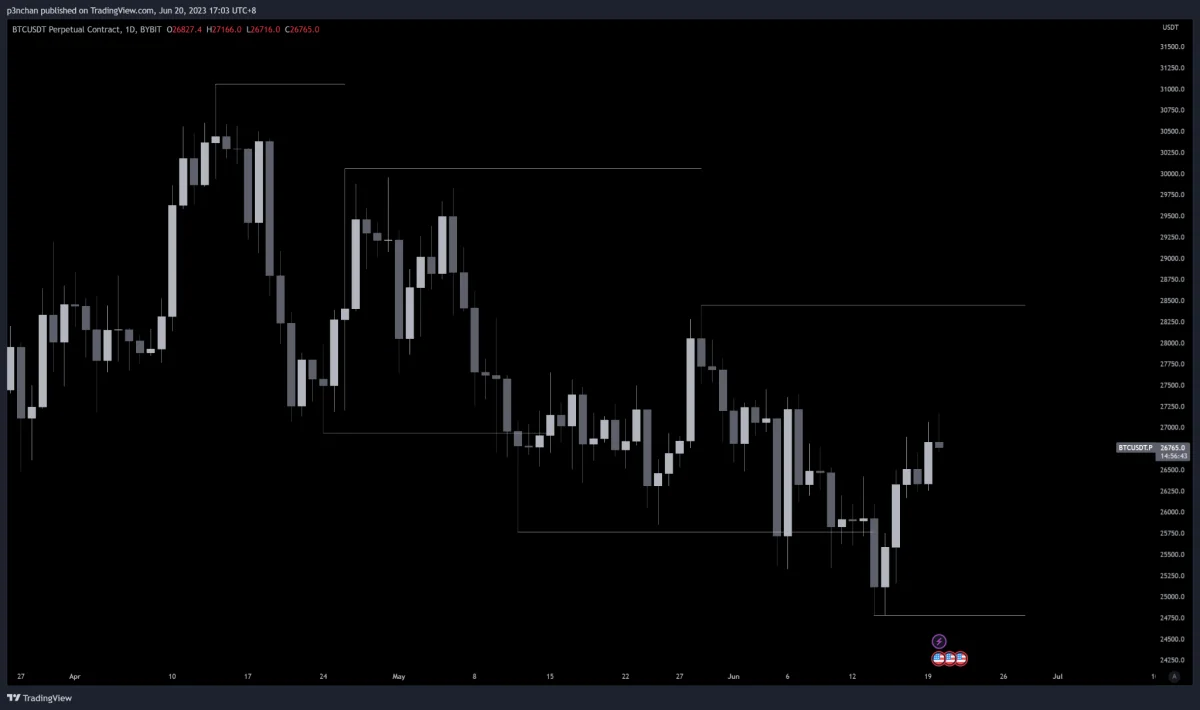
Figure 4. Market Structure is in a downtrend.
Every swing high corresponds to a swing low. This is a relative concept. From this idea, we can observe how a trend forms. In Figure 4, when the trend continues downward, it creates multiple BOS, Break of Structure. BOS can also be called COS, Continuation of Structure.
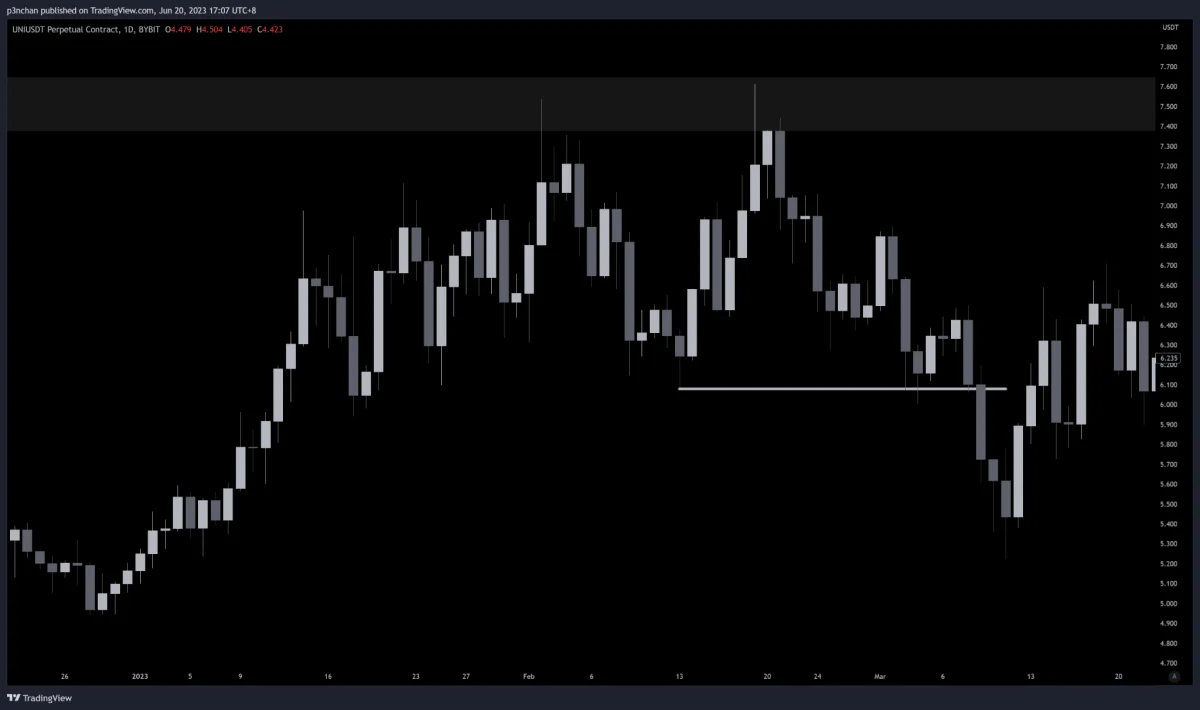
Figure 5. Price reaches resistance, then creates a Market Structure Shift
When price touches resistance and the previous low is broken, Market Structure shifts and begins to show a bearish Bias. Conversely, when price touches support and the previous high is broken, the market shifts and begins to show a bullish Bias. We call this phenomenon Market Structure Shift. We usually see this kind of structure shift around important support and resistance levels.