For Black Friday 2026, look at what is left of the cashback after FX fees, and check whether a store bills in USD or your local (non-USD) currency. This guide compares Etherfi, Plasma, Tria, Crypto.com, COCA, and Cashi. Whether you can get each card depends on where you actually live, the card programme, and KYC. See the crypto card comparison for more options.
Black Friday falls on Friday, November 27, and Cyber Monday on Monday, November 30. In China and Taiwan, the 11.11 sale lands earlier, on Wednesday, November 11. A 2% card and a 3% card look close on paper, but once FX fees come off, the gap in what you keep gets wider.
Quick comparison
| Card | Local-currency (non-USD) spend | USD spend | Cashback band or cap | Offer | Best for |
|---|---|---|---|---|---|
| Etherfi | Non-USD, non-EUR, first US$2,000/month: about 1.5% net (3% less 1% FX fee and up to 0.5% Core margin) | First US$2,000/month: about 3% net (no FX fee) | 3% on first US$2,000, 1% on next US$1,000, then 0.5% (EUR: separate bands, see below) | November invite offer below | Everyday spending |
| Plasma International | 2% cashback, 1% FX fee plus about 1% Visa fee | 2% cashback, 0% cross-border fee | 2% on first US$500/month, then 0.1% | US$10 Spending Credit after US$100 eligible settled spend at 2+ merchants within 14 days of code redemption | Small USD purchases |
| Tria | Not published (members pay 0% Tria FX fee; Visa charges may apply) | Not published | Lite: up to 1.5% on first US$1,000/month (advertised US$20/year). Pro: up to 4.5% (US$109/year). Max: 6% on first US$2,000/month, then 1% (US$250/year) | New users: 3,200 points + US$5 USDT after activation and 4 purchases of US$5+ | Higher monthly spend, paid membership |
| Crypto.com Plus | SG residents: no FX fee on first S$600/month, then 2%; other programmes differ | Same as local-currency spend | 1.5% in CRO on the first US$750 equivalent of eligible monthly spend | Check the app; SG Plus costs S$5.99/month, S$59.90/year, or S$650 CRO staked for 12 months | CRO rewards |
| COCA | 8% on first 3 eligible purchases during offer; FX terms unpublished | Same offer; FX terms unpublished | US$300 combined eligible spend, up to US$24 promotional reward | New sign-ups from Nov 2 to Nov 30 | November sign-ups |
| Cashi | 2% eligible online shopping, less 1% FX fee | 2% eligible online shopping, 0% FX fee | Named stores: US$500 spend / US$10 reward per store monthly; other eligible online stores: US$500 / US$10 combined monthly | Public friend referral: US$5 Spending Credit after US$50 eligible settled spend, referral linked before approval | Smaller online purchases |
Net figures are my simple examples: cashback minus the listed FX and conversion fees, before any other costs. Etherfi pays 3% only on the first US$2,000 of non-EUR spend each month. Tria’s all-in FX fee is not published, so its net cells say so. Crypto.com fees and card access vary by programme.
Card availability by residence
This table is about where you live and whether the card can be issued to you, not whether a store accepts it. “Check at sign-up” means we could not confirm country-level eligibility from public sources, so the application decides. “Separate programme” means that country has its own card terms.
| Residence | Etherfi | Plasma | Tria | Crypto.com | COCA | Cashi |
|---|---|---|---|---|---|---|
| Taiwan (TW) | ✓ | Check at sign-up | ✓ | Check at sign-up | ✓ | Check at sign-up |
| Japan (JP) | ✓ | Check at sign-up | Check at sign-up | Check at sign-up | ✓ | Check at sign-up |
| United States (US) | Separate programme, listed states only | Separate programme, listed states only | Separate US programme | Separate US programme | ✗ | ✗ |
| United Kingdom (GB) | ✓ | Check at sign-up | Check at sign-up | Separate UK programme | ✓ | Check at sign-up |
| Malaysia (MY) | ✓ | Check at sign-up | Check at sign-up | Check at sign-up | ✓ | Check at sign-up |
| Singapore (SG) | ✓ | Check at sign-up | Check at sign-up | Separate SG-resident programme | ✗ | Check at sign-up |
| Hong Kong (HK) | ✓ | Check at sign-up | ✓ | Check at sign-up | ✓ | Check at sign-up |
| Philippines (PH) | ✓ | Check at sign-up | Check at sign-up | Check at sign-up | ✓ | Check at sign-up |
| Indonesia (ID) | ✗ | Check at sign-up | Check at sign-up | ✗ | ✗ | Check at sign-up |
✓ = confirmed available; ✗ = confirmed not available. US readers: Etherfi and Plasma run separate US programmes limited to certain states, Tria and Crypto.com have separate US programmes, and COCA and Cashi are not available to US residents.
Etherfi: everyday spending
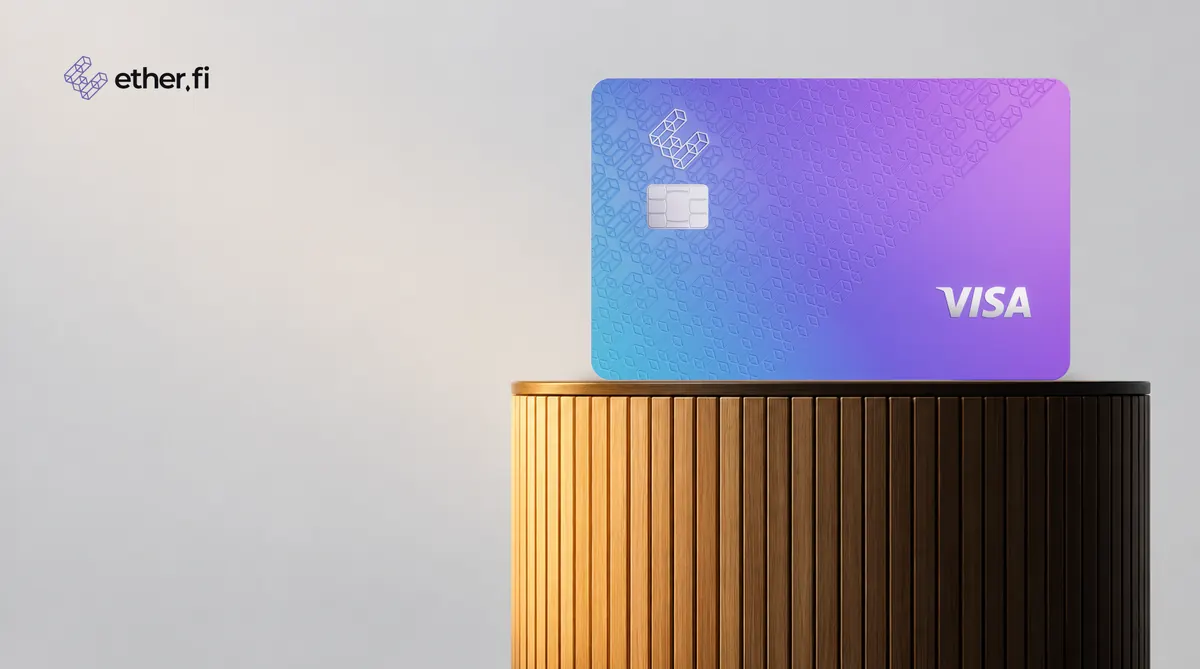
Etherfi has no monthly fee and a high cashback rate. The Core plan is free and, for non-EUR purchases, pays 3% on the first US$2,000 of monthly spend, 1% on the next US$1,000, and 0.5% after that.
The FX fee is what decides this card. For ordinary non-USD, non-EUR purchases, it is 1% plus up to 0.5% Core margin, which leaves about 1.5% net on the first US$2,000. USD purchases skip this fee, so the same band nets about 3%. EUR purchases currently have a 0% FX fee (in beta) and different cashback bands, and all currencies share one monthly spend counter. At checkout, put the USD and local-currency totals side by side and pick the lower one.
If you are buying a lot this month, check how much high-rate room each card has left and put the order on the card that still has it.
Rewards are paid in ETHFI, which moves in price, and become claimable 7 days after settlement. The physical card costs US$60 including shipping, so order early if you want it before Black Friday. The first virtual card is usually free, but some regions, such as Malaysia and the Philippines, charge US$10, and verification may ask for a US$10 deposit first.
New Etherfi users in November get up to 10% back with Penchan’s invite code “penchanco”. Details: https://penchan.co/cards/etherfi/
Plasma: small purchases in USD
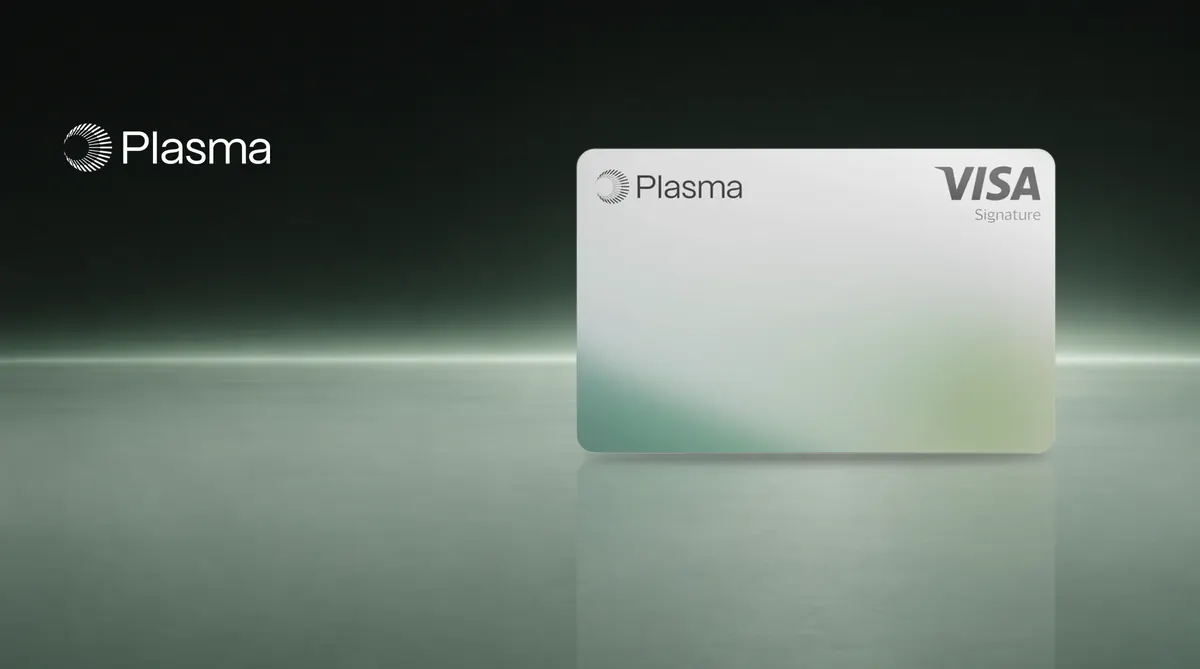
Plasma Lite pays 2% on the first US$500 of monthly spend and 0.1% after that. Ordinary cashback is paid in XPL.
On the International card, USD purchases have a 0% cross-border fee. Non-USD purchases carry a 1% FX fee plus about 1% from Visa, which costs more than Etherfi, so this card works best at stores that bill in USD. The US-issued card has separate terms.
Opening needs a US$10 deposit, or a US$10 card fee in some regions. New users who sign up with a referral code get US$10 in Spending Credit after US$100 of eligible, settled spend at 2 or more merchants within 14 days of redeeming the code. The credit can only be spent on the card. The code must be entered when you create the account and cannot be added later. Holders of identity documents from some countries are excluded. Lite has no physical card, so you use it through a mobile wallet or by entering the card number online.
The main limit is the small high-rate band. After the first US$500 each month the rate drops to 0.1%, so Plasma works well as a second card that you only use for that first band. XPL moves in price, so what you receive can differ from the 2% you counted at checkout.
Tria: higher monthly spend, paid membership
Tria sets your cashback by the membership you buy, so it suits people who spend more each month and are willing to pay for a tier. Lite is the entry point: advertised at US$20 a year, it pays up to 1.5% on the first US$1,000 of monthly spend. Pro pays up to 4.5% for a standard US$109 a year. Max pays 6% on the first US$2,000 a month, then 1%, for a standard US$250 a year.
The decision rule is simple: pay for Pro or Max only if your monthly card spend is high enough that the extra cashback beats the annual price. One worked example, if you keep spend within US$1,000 a month: Max pays 4.5 percentage points more than Lite (6% − 1.5%) and costs US$230 more a year (US$250 − US$20). US$230 ÷ 4.5% ≈ US$5,111 of spend a year, about US$426 a month, before the extra cashback covers the extra fee. This counts cashback only, not FX fees. Tria’s own pages disagree on Pro’s spending band, so I don’t run the same sum for Pro.
Lite is virtual only, Pro comes with a plastic card, and Max with a metal card. Apple Pay and Google Pay are supported.
Memberships waive Tria’s own FX fee (0%), but Visa’s charges may still apply, and the international card terms allow up to 3% FX plus up to 1% international fee. That is a ceiling, not a quote. Tria doesn’t publish the all-in fee, so I don’t print a net rate for it. Compare the final amount at checkout.
Cashback is paid in USDT on Arbitrum and claimed in the app. It isn’t paid out at checkout: the terms allow payout up to 12 months after the month you earned it.
New users can get 3,200 points plus US$5 in USDT, once. Activate within 3 days of the offer appearing in the app, make a first purchase within 4 days of activating, then 3 more purchases within 7 days of the first. Every purchase must be at least US$5, qualifying and settled. Points aren’t cash. The offer appears in the app per user, and no end date is published.
Taiwan and Hong Kong residents can get the card, and the US has a separate programme with its own fee terms (up to 3% international transaction fee). Japan and Singapore are not publicly confirmed, so eligibility is decided in the app’s KYC. Mainland China users need a real residence in a supported region to apply. More detail in the Tria card guide.
Crypto.com: Plus tier
Crypto.com Plus pays 1.5% in CRO on the first US$750 equivalent of eligible spend per month. Price and FX fee depend on which programme issues your card. For Singapore residents (SG programme), Plus costs S$5.99 a month, S$59.90 a year, or S$650 of CRO staked for 12 months, and there is no FX fee on the first S$600 each calendar month, then 2%. The US$750 reward allowance and the S$600 fee allowance are separate counters. If you live outside Singapore and hold an SG-issued card, Plus has no FX fee under that card’s fee schedule. Hong Kong readers: card eligibility isn’t publicly confirmed, so check in the app. The US and UK have separate programmes, so check your own fee schedule before paying in a foreign currency. No FX fee doesn’t mean the mid-market rate: the card’s own conversion rate still applies, so compare the final amount.
COCA: November welcome cashback
New users who register from November 2 through November 30, 2026 get 8% on their first 3 eligible purchases, on up to US$300 of combined spend, for at most US$24.
Purchases must be made by November 30 at 23:59 UTC, and you need to finish KYC and fund the card. Rewards have a 14-day pending period. On the Starter plan you can claim up to US$15 a month, shared with other rewards, and the rest carries over to the next month, so claiming the full US$24 takes more than one month. COCA has not published its FX terms, so don’t assume USD or local-currency purchases are fee-free.
After the campaign, Starter pays 1%. Treat COCA as a bonus card for three Black Friday purchases within the US$300 budget, not as your main card. Crypto trades, top-ups, transfers, withdrawals, and refunded orders do not count, so use the first 3 purchases at stores where the card is sure to go through.
Cashi: online shopping
Cashi pays by category: 2% on eligible online shopping, 3% on selected monthly subscriptions, and 1% on eligible travel. Black Friday online orders earn 2%; the 3% rate applies only to the listed subscriptions.
Named online stores earn 2% on the first US$500 of eligible spend per store each month, up to US$10 per store. Other eligible online stores share a US$500 monthly spend limit and US$10 reward limit. Non-USD purchases carry a 1% FX fee, USD purchases 0%. Taobao is not on the named-store list.
Activation costs US$5, returned right away as US$5 in Spending Credit. Cashi is virtual only and supports Google Pay; on iPhone you enter the card details online for now, since Apple Pay is not supported. Rewards are Spending Credit for later card purchases, not cash. Cashi also runs a public friend referral: link the referral before your card is approved, and after US$50 of eligible, settled spend you get US$5 in Spending Credit. This reward may not apply to every sign-up link.
With low caps, Cashi suits spreading small online orders, not big purchases.
Black Friday checkout tips
Compare USD with your local currency. Etherfi, Plasma (International card), and Cashi charge their FX fee only on non-USD purchases, so a USD charge avoids it. COCA has not published its FX terms, and Tria has not published its all-in fee. The store’s own exchange rate can still make the USD total higher, so compare the final totals in both currencies and pay in the lower one. Some shoppers report paying Taobao in USD with a foreign card, but there is no official confirmation, so try a small order first.
Check how much high-rate room each card has left. Plasma covers the first US$500 a month, Cashi US$500 per named store plus US$500 across other eligible stores, Etherfi the first US$2,000 of non-EUR spend, and Tria Max the first US$2,000. Use up one card’s room, then move to the next.
Sign up for COCA early. The 8% must be used by November 30 at 23:59 UTC, which covers both 11.11 and Black Friday. Finish KYC and funding before the sale days. Plasma’s referral offer has no set end date.
Know what the reward is paid in. ETHFI, XPL, and CRO change in value, Tria’s USDT arrives after checkout rather than at it, and Cashi’s Spending Credit can only be spent on the card. What you receive can differ from the rate you counted at checkout, so treat rewards as part of the discount, not as cash.
Compare more cards, fees, and application terms in the crypto card comparison.